
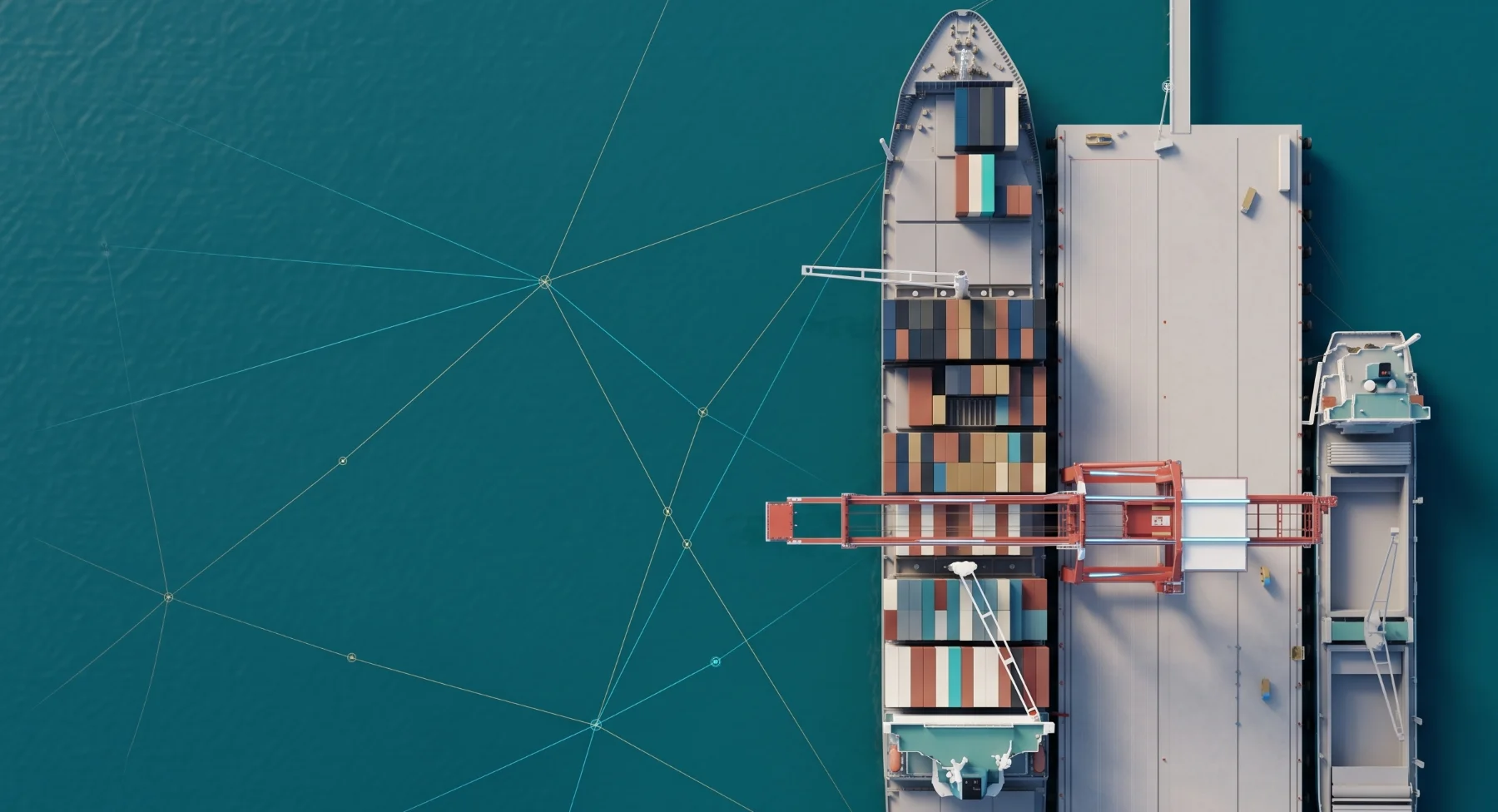
Why Lae is usually the right PNG port
Papua New Guinea has two primary international container gateways: Port Moresby, where international boxes now go through Motukea, and Lae. For anything headed to Morobe Province, the Highlands or the north coast, Lae is almost always the smarter landing point. Swire Shipping estimates that Lae handles almost half of the country's maritime freight, and it sits at the eastern end of the Highlands Highway, the only real road link between the coast and the interior.
Since 2018, the container terminal at the Lae Tidal Basin has been run by ICTSI's local subsidiary, South Pacific International Container Terminal (SPICT), under a 25-year concession from PNG Ports Corporation. The terminal has been steadily re-equipped, with rubber-tyred gantries, a mobile harbour crane at the main wharf and, more recently, additional reach stackers and terminal trucks as vessel calls have increased. In practical terms that means Lae can handle larger ships than it once could, and turnaround at the berth is more predictable than many first-time shippers expect.
If your consignee is in Port Moresby itself, land at Motukea. There is no road between Port Moresby and Lae, so landing in the wrong port means a coastal transhipment or an air leg you didn't budget for. For the bigger picture on routes, costs and customs, start with our complete guide to shipping to Lae.
The Australian load ports compared
Brisbane
Brisbane is the workhorse port for the PNG trade. It's the closest major east coast container port, most of the regular Australia–PNG liner services call there, and it has the deepest pool of freight forwarders and packing depots used to preparing cargo for the Pacific. If your cargo is anywhere in south-east Queensland or northern New South Wales, Brisbane is the default.
Sydney and Melbourne
Swire Shipping runs a multipurpose service between Australia's east coast and PNG on a roughly 14-day cycle, and some rotations also call Melbourne. Loading directly in Sydney or Melbourne saves you a road or rail leg up the coast, but check each voyage: carriers publish schedule changes and port omissions regularly, and a skipped call can push your cargo back a full cycle.
Townsville and Cairns
North Queensland ports look attractive on a map, and air freight to PNG from Cairns is well established. For sea freight, though, scheduled container options are thinner than from Brisbane, so many shippers in the north still truck south to Brisbane. For project and breakbulk cargo, Townsville can make sense, depending on what's sailing. Ask your forwarder what is actually on the schedule before you plan around proximity.
Fremantle, Adelaide and Darwin
Direct PNG services from these ports are limited. Cargo usually either moves by road or rail to the east coast, or goes north via an Asian hub. Transit times of three to four weeks are not unusual on these routings, and every transhipment adds handling and the chance of a missed connection.
Route comparison at a glance
| Load port | Service pattern | Best suited to | Watch out for |
|---|---|---|---|
| Brisbane | Most frequent direct east coast services | Most general cargo, FCL and LCL | Space tightening before Christmas and during project peaks |
| Sydney | Direct calls on east coast rotations | NSW-origin cargo, avoiding a coastal road leg | Port omissions that push cargo back a cycle |
| Melbourne | Some direct calls; otherwise via Sydney or Brisbane | Victorian manufacturers with regular volume | Longer total transit, fewer sailing options |
| Townsville and Cairns | Irregular or project-driven | Breakbulk and project cargo when a vessel suits | Assuming proximity means a shorter transit |
| Fremantle, Adelaide, Darwin | Mostly indirect | Cargo that can tolerate a longer transit | Transhipment dwell time and rollovers |
Transit times and what really drives them
A standard sea shipment from Brisbane to Lae or Motukea generally takes about 14 to 18 days, depending on how the vessel is routed and whether your container has to be transhipped. That figure is port to port. Door to door, add the time to pack and deliver the container to the wharf before the cut-off in Australia, and the time for customs clearance, quarantine and delivery at the PNG end.
The biggest variables are rarely the sea days themselves. They are:
- Service frequency. On a fortnightly service, missing a cut-off by one day costs you two weeks.
- Port rotation. Some vessels call Port Moresby before Lae, some go the other way, and some include Solomon Islands ports. Your cargo's position in the rotation matters.
- Clearance readiness. PNG Customs allows the import entry to be lodged up to five working days before arrival. Cargo whose paperwork is ready before the ship berths moves days faster than cargo whose paperwork isn't.
If time matters more than cost for part of a consignment, splitting it with air freight is common. For more on how service choices affect your bill, see our breakdown of container shipping costs to Lae.
Why the ships look different on this trade
Many vessels on the Australia–PNG trade are multipurpose geared ships, meaning they carry their own cranes. That's a structural feature of the Pacific: plenty of PNG ports have limited shore equipment, so carriers deploy ships that can load and discharge themselves. For shippers, the upside is flexibility. The same vessel can carry standard containers, flat racks, breakbulk steel, machinery and out-of-gauge project cargo. If you're moving earthmoving equipment or oversized items, read our guide to shipping vehicles and heavy machinery to Lae before you book.
Getting the Australian end right
Plenty of PNG clearance problems start in Australia. Before the container leaves, check the following:
- Export declaration. Australian Border Force generally requires an export declaration, lodged through the Integrated Cargo System, for goods valued at more than A$2,000 or for goods that need an export permit. Your forwarder normally lodges this and obtains the Export Declaration Number before the cargo is received at the wharf.
- Wood packaging. Pallets and crates should be ISPM 15 treated and marked. Non-compliant timber packaging draws quarantine attention and treatment charges in PNG. Our NAQIA biosecurity guide explains what inspectors look for.
- Consignee registration. Your PNG buyer must be registered with PNG Customs before an entry can be lodged. If they're new to importing, point them to our guide on registering as an importer in PNG.
- Documents that match. The commercial invoice, packing list and bill of lading should agree on descriptions, quantities and weights. Our shipping documents checklist covers the full set.
How to choose your route
Start from where the cargo physically is and where it needs to end up, not from the sea leg. A Melbourne manufacturer shipping to Mount Hagen might find that railing to Brisbane for a more frequent sailing beats waiting for a direct Melbourne call. A Brisbane supplier shipping to a Lae wholesaler has an easy decision. Then weigh up three things: the next realistic sailing after your cargo is ready, the carrier's free time at destination, and whether your consignee can clear and collect quickly. If the final destination is inland, plan the road leg at the same time; our guide to moving cargo from Lae to the Highlands explains why.
Frequently asked questions
How long does sea freight take from Brisbane to Lae?
Port to port, usually around 14 to 18 days, depending on the vessel's rotation and whether transhipment is involved. Allow extra time either side for packing, wharf cut-offs, customs clearance and delivery.
Is it cheaper to ship to Port Moresby and move cargo to Lae?
Rarely. There is no road connecting Port Moresby and Lae, so cargo would need a coastal shipment or air freight. If the consignee is in Lae or the Highlands, land the cargo in Lae.
Can I ship less than a full container from Australia to Lae?
Yes. Several forwarders run LCL consolidations from Brisbane to PNG. Whether LCL or a full container is better depends on volume, cargo value and how quickly you need it; see our FCL vs LCL comparison.
Do I need an export declaration to ship to PNG?
Generally yes if the goods are valued at more than A$2,000 or need an export permit. Your forwarder or customs broker usually lodges it for you through the Integrated Cargo System.

Wade Miller
Senior Air Freight Writer, Sydney
Wade has spent more than 20 years in freight, from cargo terminal ramps to forwarding operations and customs documentation, working with importers and exporters across Australia and the Asia-Pacific. He writes practical guides on rates, paperwork and the rules that affect shipments, and reviews them against primary sources such as customs authority publications and carrier notices.
Related guides
Back to the complete guide to shipping to Lae
This guide is general information based on publicly available sources at the date shown. Rules, rates and schedules change, so confirm details with PNG Customs, NAQIA, your carrier or a licensed customs broker before you ship. Spotted something out of date? Report a correction.